How to Clean and Maintain Glass, Stone, and Ceramic Mosaic Tile
Learning how to clean and maintain mosaic tile starts with identifying the material, finish, grout, and installation area. Glass, natural stone, marble, ceramic, porcelain, and mixed-material mosaics do not always respond to cleaners in the same way. A product that is suitable for one surface may dull, stain, scratch, or damage another.
The safest approach is to follow the tile, grout, sealer, and installation-system manufacturers’ care instructions. When those instructions are unavailable, begin with the gentlest appropriate method, test it in a small inconspicuous area, and avoid allowing residue to remain on the surface.
First Identify the Tile and Grout
Before choosing a cleaner, confirm whether the mosaic is glass, glazed ceramic, porcelain, marble, another natural stone, metal-accented, seashell, or a mixed product. Also identify whether the finish is polished, honed, matte, textured, crackled, iridescent, or specially coated.
Grout matters too. Cementitious, epoxy, and other grout systems can have different care requirements. If the installation has been sealed, determine which sealer was used and when it was last applied. Keep the original product documentation whenever possible.
Simple Routine Care for Most Mosaic Surfaces
Routine cleaning reduces the need for aggressive products later. Remove loose dust and debris with a soft cloth, microfiber duster, or non-scratching vacuum attachment. Wipe splashes before they dry, particularly around cooktops, sinks, showers, and vanity areas.
For regular cleaning, use clean water or a manufacturer-approved pH-neutral cleaner diluted according to its label. Apply it with a soft cloth, sponge, or non-abrasive pad. Rinse when the product instructions require it and dry the surface with a clean cloth to reduce streaks and mineral deposits.
Do not assume that a product labeled “natural,” “all-purpose,” or “bathroom cleaner” is compatible with every mosaic material. Ingredients and concentration matter more than the marketing category.
How to Clean Glass Mosaic Tile
Routine Glass Care
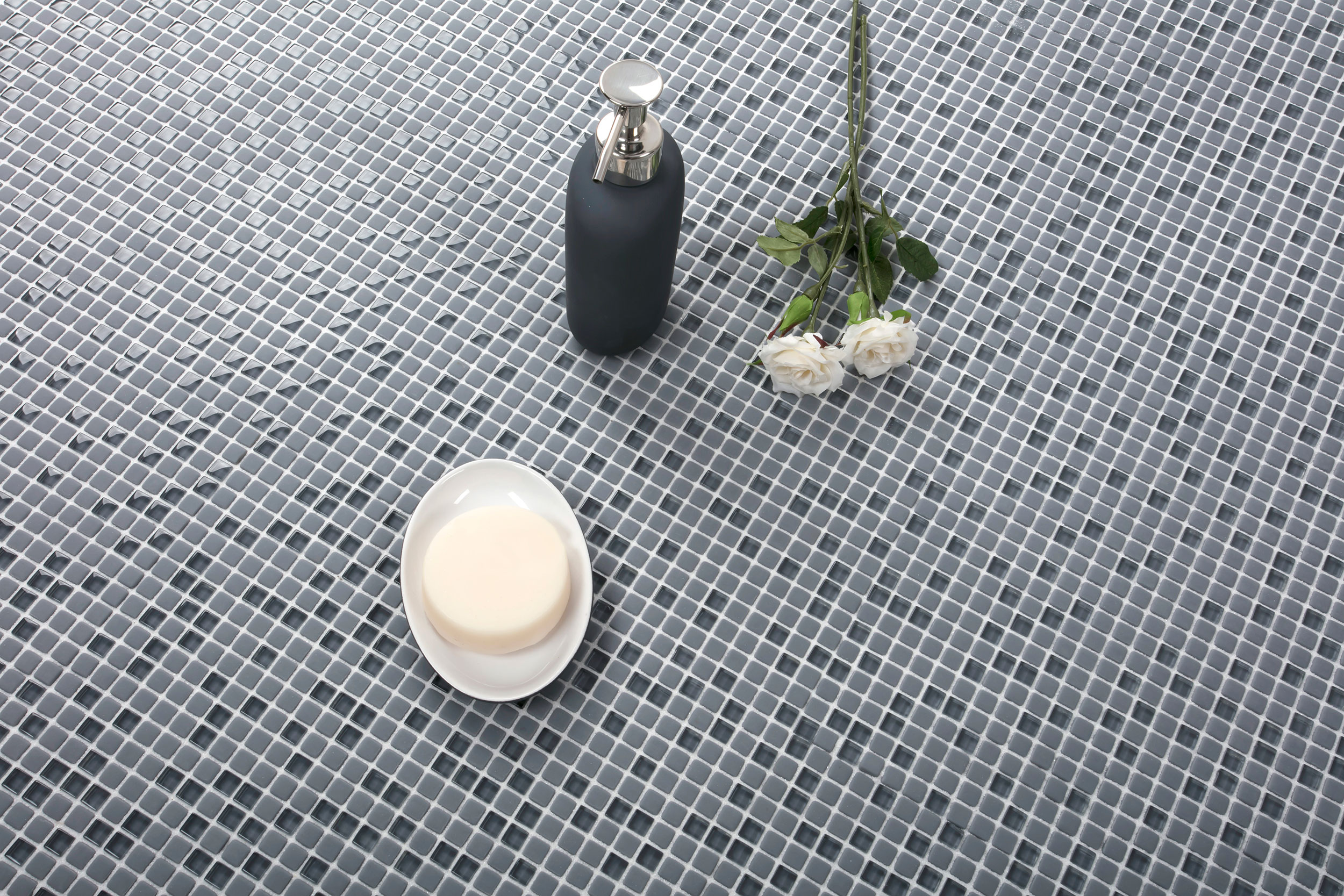
Smooth glass mosaic tile can often be maintained with a soft microfiber cloth and an approved mild cleaner. Drying the surface after cleaning can help reduce streaks and water spots on glossy or transparent finishes. For kitchen installations, wipe cooking residue promptly so it does not build up along grout joints.
Avoid abrasive powders, steel wool, stiff brushes, and rough pads that may scratch the glass or its decorative surface. Coated, frosted, iridescent, crackled, or textured glass may have special restrictions, so review the product instructions before using glass cleaner or stronger products.
Hard-Water Deposits on Glass
Mineral deposits are easier to manage when the surface is dried regularly. Do not automatically use acidic descalers, vinegar, or abrasive tools, especially when the mosaic includes stone, metal, specialty coatings, or cement-based grout. Ask the tile or cleaner manufacturer for a compatible product and test it first.
Explore the glass mosaic tile collection and review the care information provided for the selected product.
How to Clean Stone and Marble Mosaic Tile
Use Stone-Compatible Products
Marble and many natural stones can be sensitive to acidic cleaners. Vinegar, lemon-based products, and some bathroom or lime-removal cleaners may etch or dull the surface. Abrasive powders and pads can also change a polished or honed finish.
Use a cleaner specifically approved for the type of natural stone and finish. Blot spills rather than spreading them, rinse when directed, and dry with a soft cloth. Oils, cosmetics, colored liquids, and cooking residue should be addressed promptly according to the stone-care instructions.
Sealing and Periodic Maintenance
Some stone mosaics and cement-based grout may benefit from sealing, but not every material or installation requires the same sealer or schedule. Sealing does not make a surface stain-proof or eliminate routine cleaning. Ask the tile supplier or installer whether sealing is recommended, which product is compatible, and how to evaluate when reapplication is needed.
Browse the stone and marble mosaic collection for natural-material design options.
How to Clean Ceramic and Porcelain Mosaic Tile
Consider the Finish, Not Only the Material
Many glazed ceramic and porcelain surfaces support straightforward routine cleaning, but finish and texture still matter. Glossy glazed tile, unglazed porcelain, handcrafted surfaces, metallic effects, and textured mosaics may have different requirements.
Use a soft cloth or non-abrasive sponge with an approved cleaner. Rinse away residue when required and dry reflective surfaces to reduce streaks. Avoid tools that can scratch the glaze, edge detail, or decorative coating.
Textured and Matte Surfaces
Textured tile can hold more residue than a smooth surface. Frequent gentle cleaning is usually better than waiting for buildup and then using a harsh product. A soft nylon brush may be appropriate for some products, but confirm compatibility before brushing textured tile or grout.
See the ceramic and porcelain mosaic collection.
How to Maintain Mixed-Material Mosaic Tile
A mixed mosaic should be cleaned according to its most sensitive component. A cleaner that works on glass may not be safe for marble, metal accents, shell, or a specialty coating within the same sheet. Identify every material before selecting a product.
Use a gentle, compatible method across the full installation unless the manufacturer provides separate instructions. Avoid allowing cleaner to pool at transitions between materials. Explore the mixed-material mosaic collection.
Keep Grout Looking Its Best
Grout joints are a significant part of a mosaic installation. Regularly remove surface residue with the method approved for both the grout and tile. Do not use an aggressive grout cleaner without confirming that it is also safe for the surrounding mosaic.
In showers and other damp areas, ventilation and drying are important. Address damaged, cracked, loose, or persistently discolored grout with a qualified professional rather than covering the problem with sealer or repeated harsh cleaning. A change in grout condition can sometimes indicate an installation or moisture issue that cleaning alone cannot solve.
Care for Kitchen Backsplashes
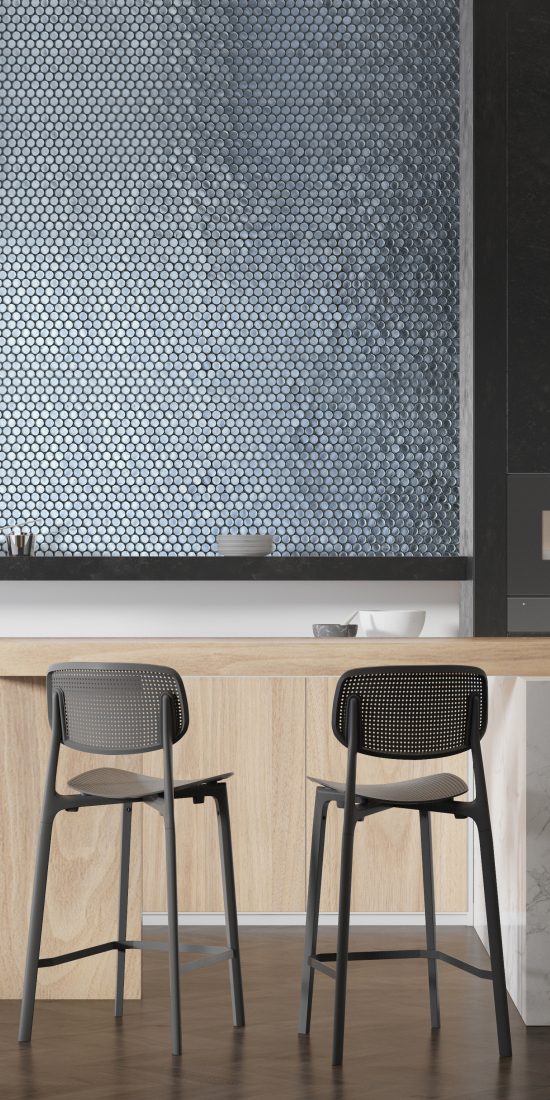
Kitchen backsplashes may collect grease, food splashes, soap, and water deposits. Wipe fresh residue promptly with a soft cloth and an approved cleaner. Around cooktops, follow appliance-clearance and tile-care recommendations and avoid allowing concentrated degreasers to remain on the surface or grout.
For material selection and planning, read how to choose mosaic tile for a kitchen backsplash.
Care for Bathroom and Shower Mosaics
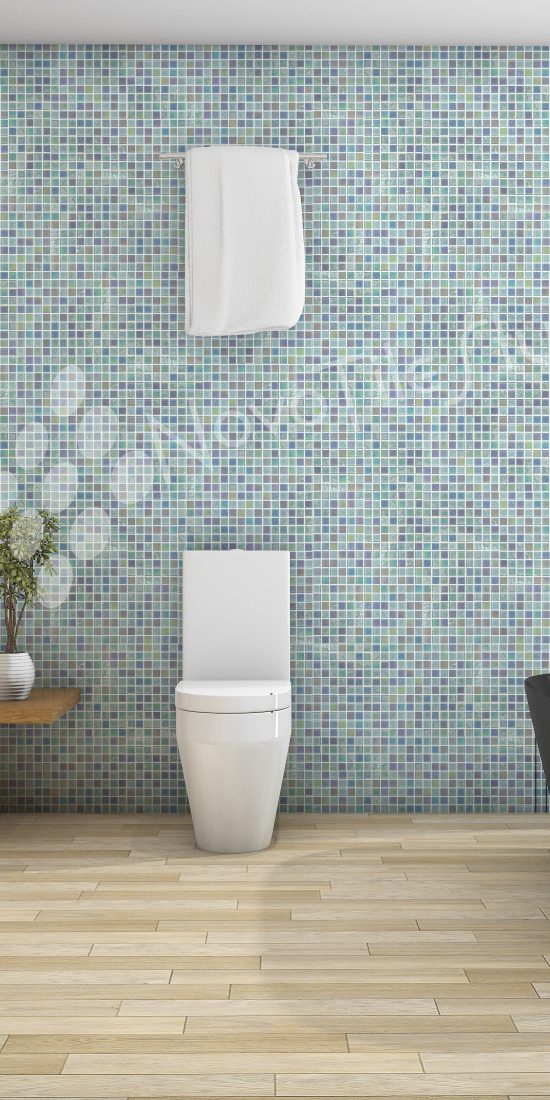
In bathrooms, routine drying and ventilation can reduce soap residue and mineral buildup. Use a squeegee only when it is appropriate for the surface and will not catch on textured pieces or edges. Clean niches, corners, and horizontal ledges regularly because water can remain there longer.
Cleaning does not replace waterproofing or repair. If tile becomes loose, grout repeatedly cracks, or moisture appears outside the wet area, contact a qualified installer. Review our guide to mosaic tiles for bathroom walls and showers.
Products and Methods to Avoid Unless Approved
- Acidic cleaners on marble or acid-sensitive natural stone.
- Abrasive powders, steel wool, stiff wire brushes, and rough scouring pads.
- Highly alkaline or concentrated cleaners not approved for the tile and grout.
- Steam cleaning unless every component of the installation permits it.
- Colored cleaners that may affect porous stone or grout.
- Mixing cleaning chemicals, especially products containing bleach and ammonia.
- Applying sealer without confirming that the tile, grout, and existing treatment are compatible.
Mosaic Tile Maintenance Checklist
- Save the product, grout, adhesive, and sealer documentation.
- Remove loose debris before wet cleaning.
- Use the gentlest approved cleaner and a non-abrasive tool.
- Test new products in an inconspicuous area.
- Rinse and dry according to the care instructions.
- Wipe spills and cooking residue promptly.
- Ventilate and dry shower areas regularly.
- Inspect grout, sealant joints, and tile edges for changes.
- Ask a professional about stains, etching, loose tile, cracks, or moisture concerns.
Protect the Mosaic Finish Long Term
The best maintenance plan is simple, material-specific, and consistent. Frequent gentle care is preferable to infrequent aggressive cleaning. Understanding whether the mosaic is glass, stone, marble, ceramic, porcelain, or mixed material helps protect its color, finish, and grout.
Compare material characteristics in our guide to glass vs. stone vs. ceramic mosaic tile. You can also shop all NovoTileStudio mosaic tiles or contact our team for product-specific information before purchasing.