How to Choose Mosaic Tile for a Kitchen Backsplash
A kitchen backsplash has two jobs: it protects the wall from everyday splashes and becomes one of the most visible design surfaces in the room. Mosaic tile works especially well because its smaller pieces, varied materials, and flexible sheet formats make it possible to add color, texture, and detail without overwhelming the space.
Choosing mosaic tile for a kitchen backsplash depends on more than appearance. Material, tile scale, grout, lighting, cleaning needs, and installation conditions all affect the finished result. This guide explains how homeowners and interior designers can compare the most important options before selecting mosaic tile for a kitchen backsplash.
Start With the Way the Kitchen Will Be Used
Begin by looking at the backsplash area itself. A wall behind a sink or cooktop may need more frequent cleaning than a decorative section away from food preparation. Consider how much natural light the room receives, whether the cabinets and countertops already have strong patterns, and how large the backsplash area will be.
In a busy kitchen, a smooth, easy-to-wipe surface may be the priority. In a display kitchen or beverage station, texture and visual detail may play a larger role. Defining these practical needs first helps narrow the material and finish choices.
Compare Mosaic Tile Materials
Glass Mosaic Tile
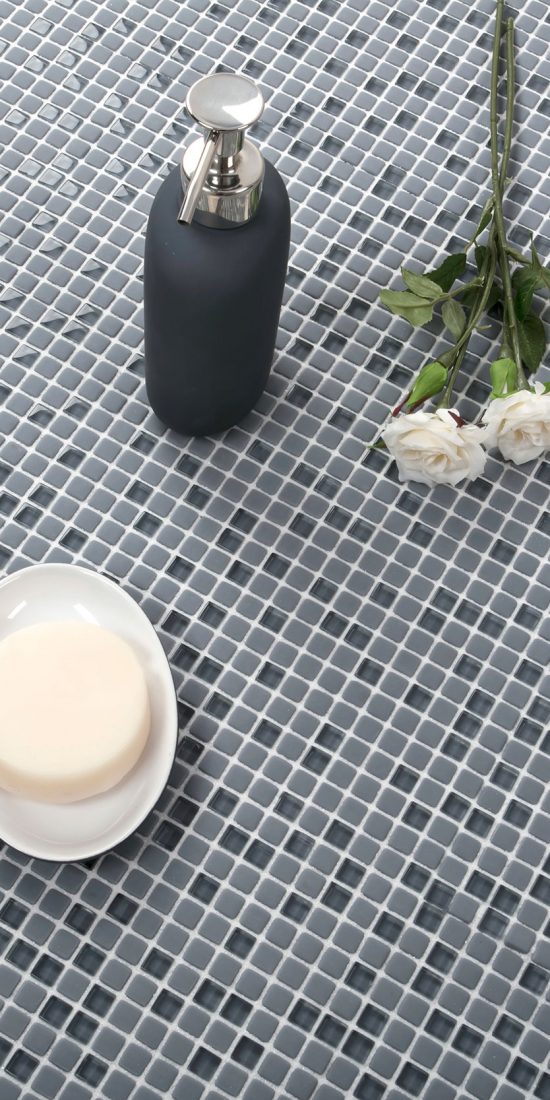
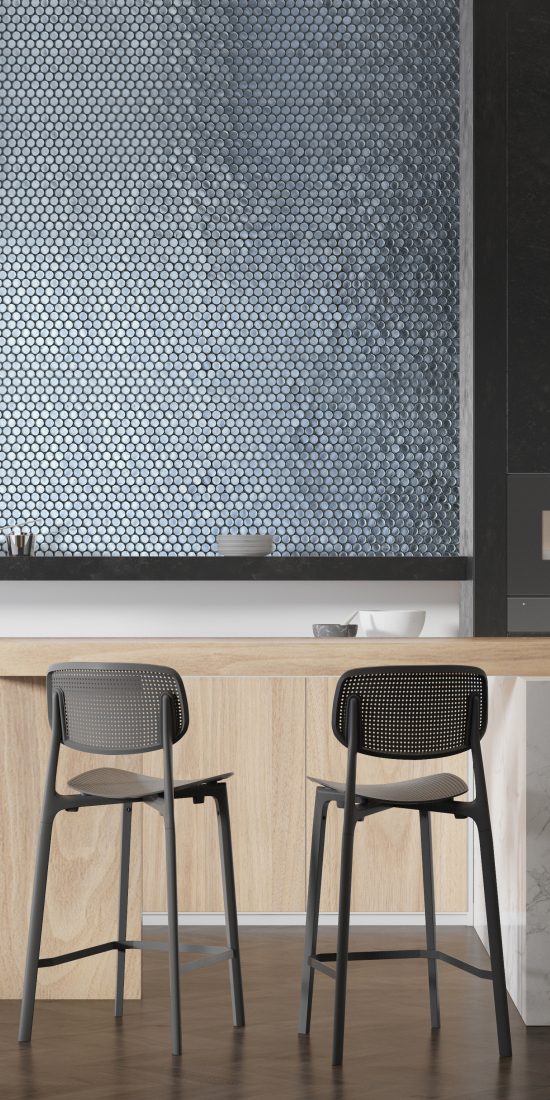
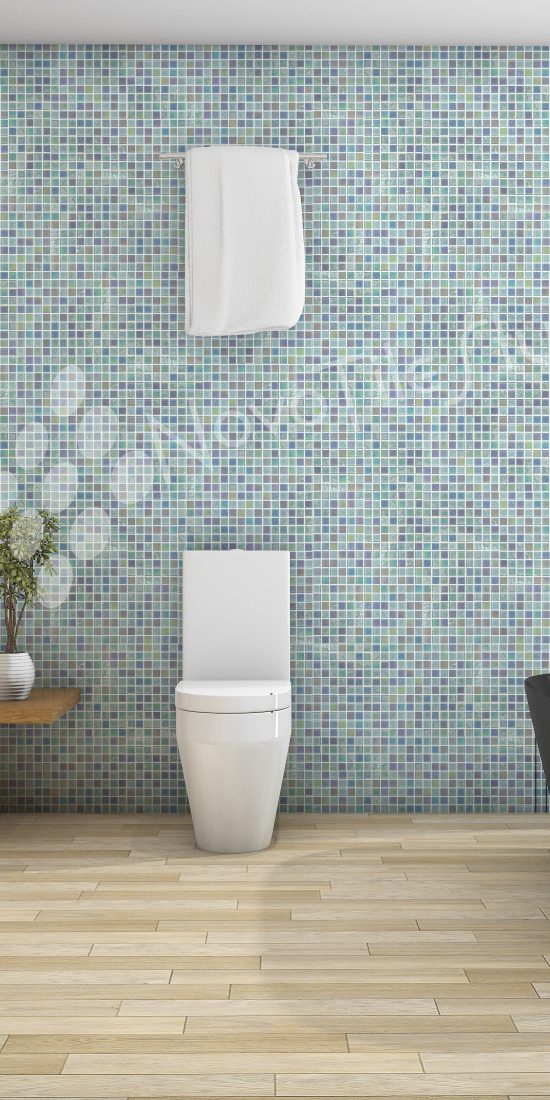
Glass reflects light and can make a backsplash feel brighter and more dimensional. It is available in clear, frosted, iridescent, and opaque finishes, ranging from subtle neutrals to saturated color. Glass is a strong option for contemporary kitchens, small rooms that benefit from reflected light, and accent areas that need a polished visual feature.
Explore our glass mosaic tile collection for backsplash ideas in different colors, shapes, and surface effects.
Stone and Marble Mosaic Tile
Natural stone and marble introduce organic variation, veining, and a timeless character. They coordinate especially well with wood cabinetry, stone countertops, and warm neutral palettes. Because natural materials can vary from piece to piece, review product recommendations for sealing, cleaning, and placement before installation.
Browse the stone and marble mosaic collection for classic and design-forward options.
Ceramic and Porcelain Mosaic Tile
Ceramic and porcelain mosaics offer broad flexibility in color, shape, and finish. Depending on the specific product, they can create anything from a clean, understated backsplash to a geometric focal point. Their familiar tile character makes them easy to coordinate with many countertop and cabinet styles.
See our ceramic and porcelain mosaic tiles for kitchen and bathroom applications.
Mixed-Material Mosaic Tile
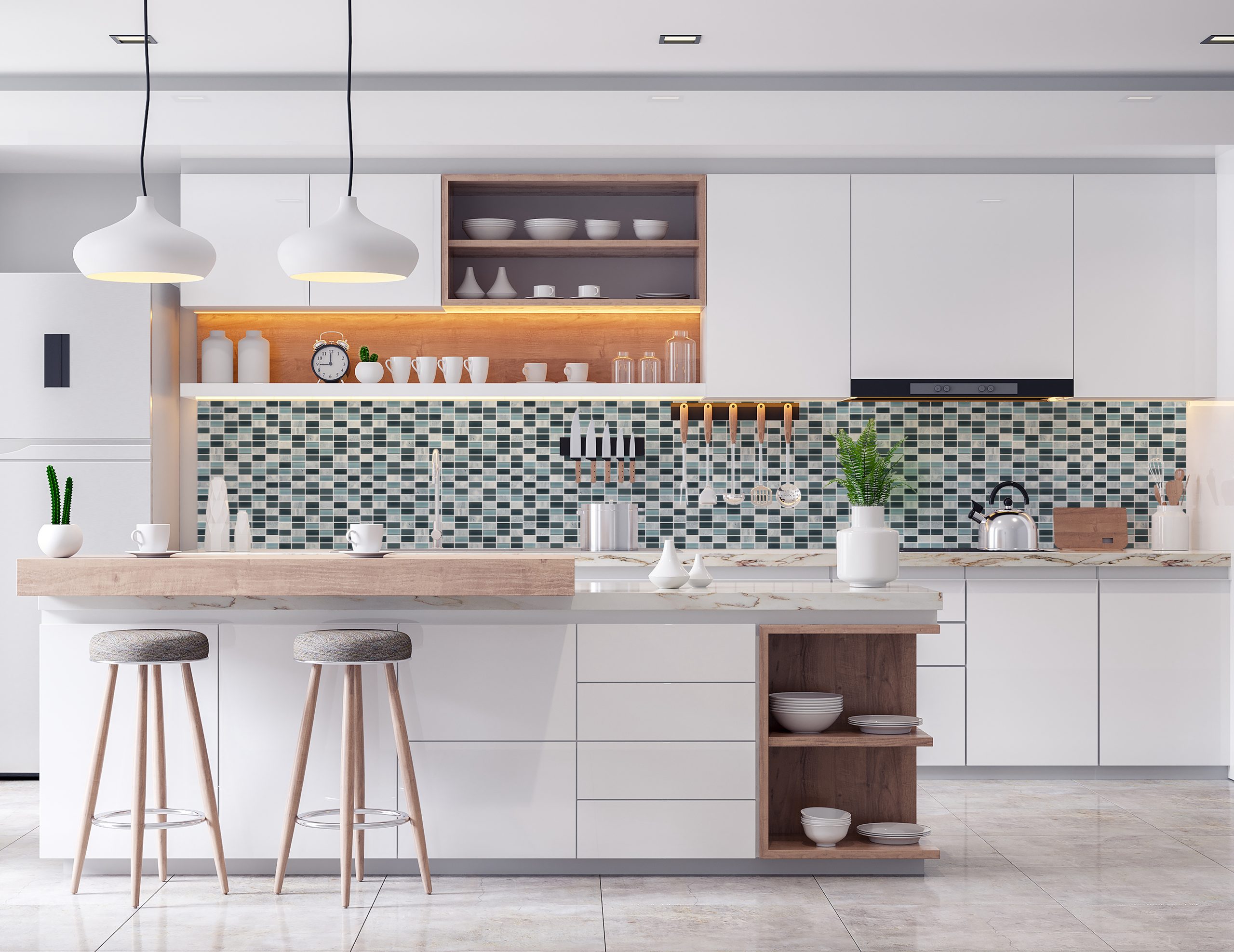
Mixed mosaics combine materials such as glass, stone, and metal-look accents within one pattern. They can connect several finishes already present in the kitchen, but they also create more visual movement. Use them when the countertop and cabinetry are relatively quiet, or select a restrained mix when other surfaces already have pronounced patterns.
Review the mixed-material mosaic collection for coordinated combinations.
Choose the Right Scale and Pattern
Small mosaic pieces create more grout lines and a finely detailed texture. Larger pieces or elongated formats produce a calmer, more continuous look. Geometric patterns, arabesques, hexagons, and grids can all work beautifully, but their visual impact changes with the size of the wall.
For a compact backsplash, a small pattern can add interest without requiring a large installation area. On a long wall, a simpler repeat may keep the room from feeling too busy. Always evaluate the full sheet rather than judging a single tile piece.
Coordinate Color With Cabinets, Countertops, and Light
A backsplash does not need to match every surface exactly. It should create a deliberate relationship with the rest of the kitchen. A neutral mosaic can repeat a countertop undertone, while a colored glass tile can provide contrast against white, gray, or wood cabinetry.
Lighting matters as well. Glossy and iridescent surfaces can look different under daylight, warm bulbs, and cool task lighting. Whenever possible, view a sample vertically in the actual kitchen and check it at several times of day.
Plan the Grout as Part of the Design
Grout color changes the way a mosaic pattern reads. A grout color close to the tile creates a softer, more unified surface. A contrasting color emphasizes each piece and makes the pattern more graphic. Because mosaics have more joints than large-format tile, grout can represent a significant part of the overall appearance.
Ask the installer which grout type is appropriate for the chosen material, joint width, and kitchen conditions. A test board can help confirm both color and cleanup before the full installation begins.
Confirm Installation and Maintenance Requirements
Before purchasing, review the product specifications and installation recommendations. Confirm that the tile is intended for wall use in the planned location, identify any sealing requirements, and ask whether special cutting tools or setting materials are needed. Mixed-material sheets may require different handling than a single-material mosaic.
Maintenance should also fit the household. Consider how easily the surface can be wiped, whether textured areas may collect residue, and which cleaners are approved for the material. Following manufacturer and installer guidance helps protect the finish after installation.
Use This Kitchen Backsplash Checklist
- Define the areas exposed to water, heat, grease, and frequent cleaning.
- Compare glass, stone, ceramic, porcelain, and mixed-material options.
- Choose a pattern scale that suits the size of the wall.
- View samples beside the actual cabinets and countertops.
- Evaluate the tile under both daylight and kitchen lighting.
- Select grout color as part of the design, not as an afterthought.
- Confirm installation, sealing, and maintenance requirements.
- Order enough material for cuts, layout adjustments, and future repairs according to professional guidance.
Find Mosaic Tile for Your Kitchen Project
The best kitchen backsplash balances visual impact with everyday usability. Start with the room’s practical needs, compare materials in the actual space, and confirm the installation details before making a final choice.
Shop all NovoTileStudio mosaic tiles or contact our team for help exploring collections for your kitchen, bathroom, pool, or feature-wall project.